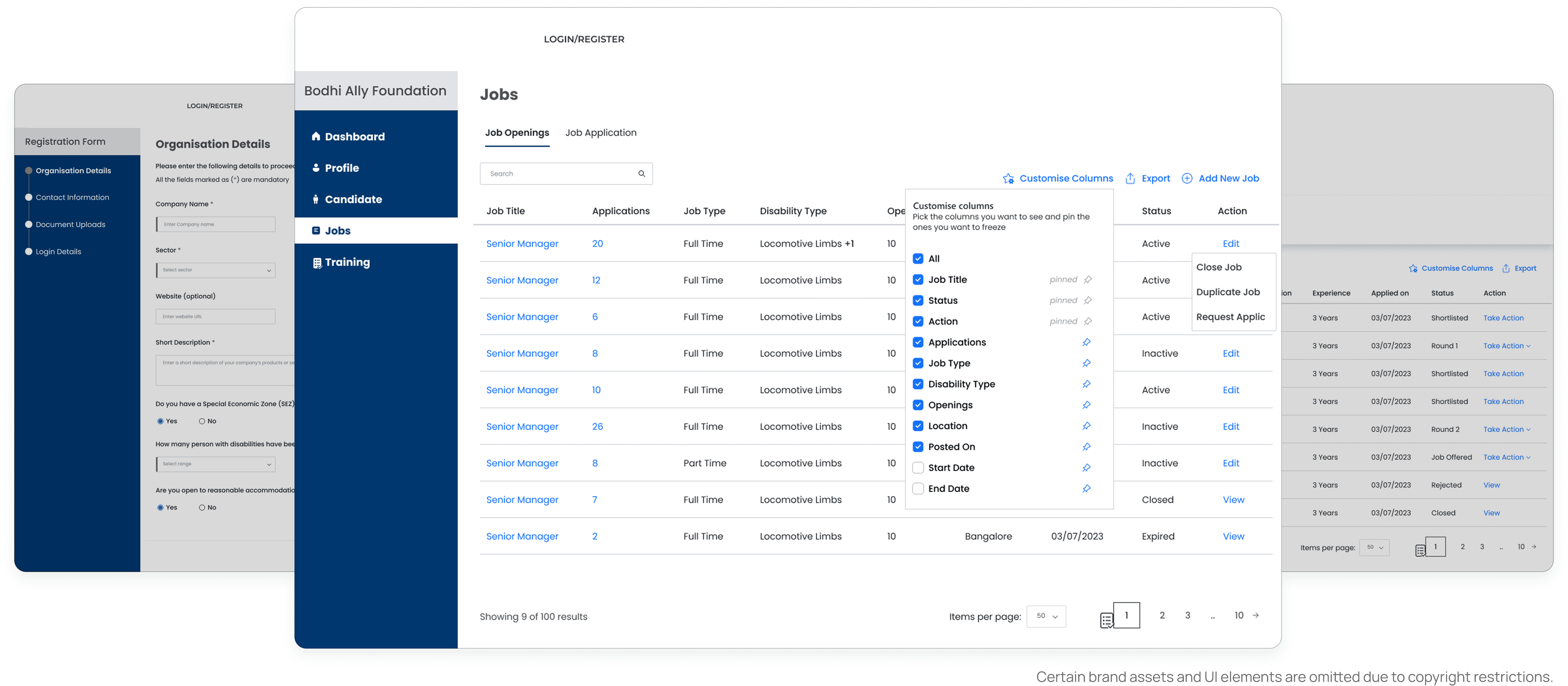
I led the UX for Guided Diagnostics, a new workflow in Zero's dealer service tool that helps technicians move from symptoms to root causes with less guesswork and less reliance on customer support.
CLIENT
Zero Motorcycles Inc. | Scotts Valley, CA
Timeline
Jun 2025 · Present
Updated August 2026
My Role
Product Designer
Platform
Windows Desktop Application
Responsibilities
Research & Synthesis
Workflow Design
Interaction Design & Prototyping
Design System
Collaborated With
Director, Product Experience
Product Manager
Software Engineering
Customer Experience (CX)
Quality Assurance
Director, Product Experience
Product Manager
Software Engineering
Customer Experience (CX)
Quality Assurance
01 / CONTEXT
of dealership service cases required CX escalation
weekly support hours spent on routine service cases
FROM DIAGNOSTIC DATA TO DIAGNOSTIC GUIDANCE
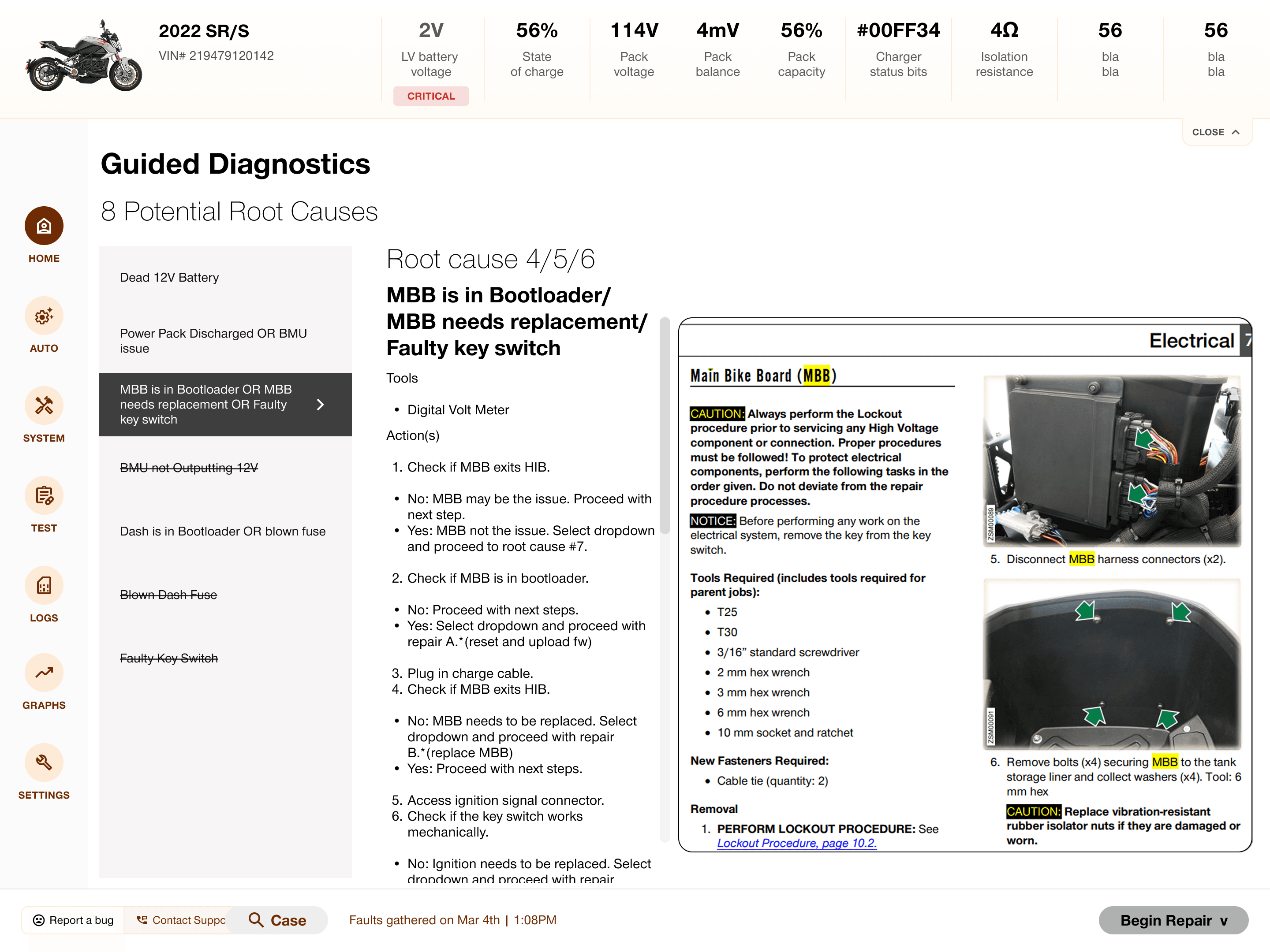
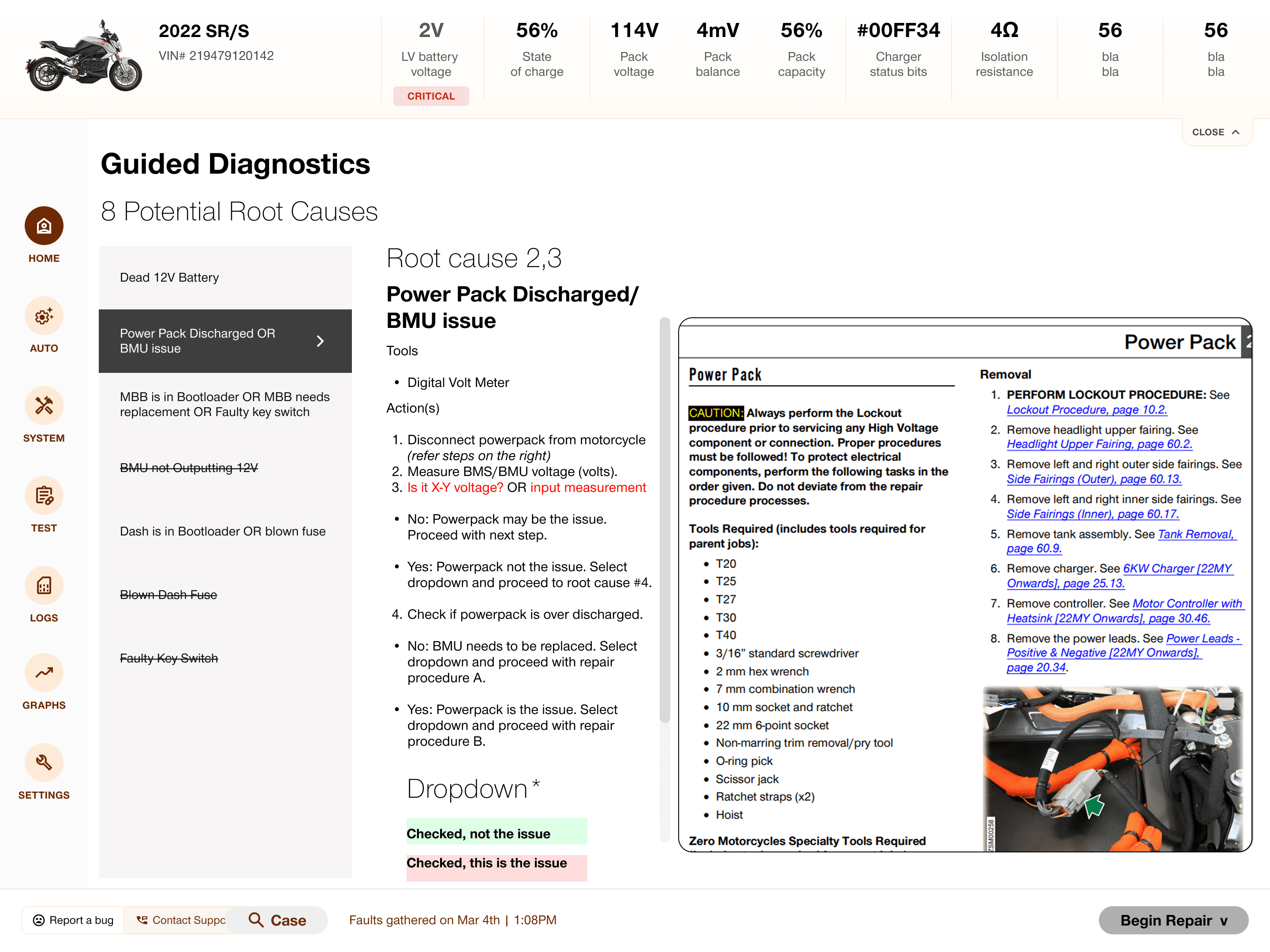
From accessing diagnostic information to being guided through what to do next.
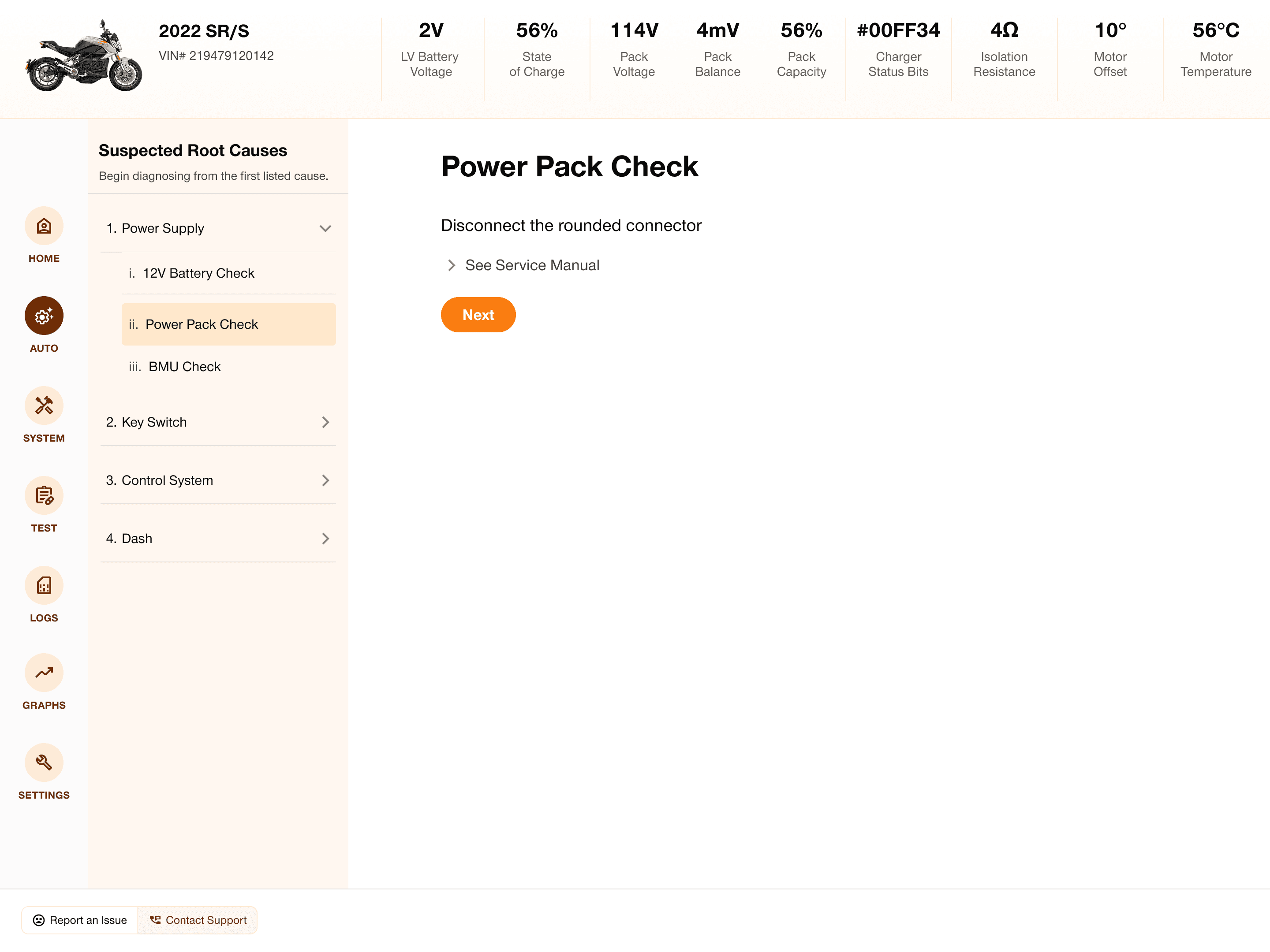
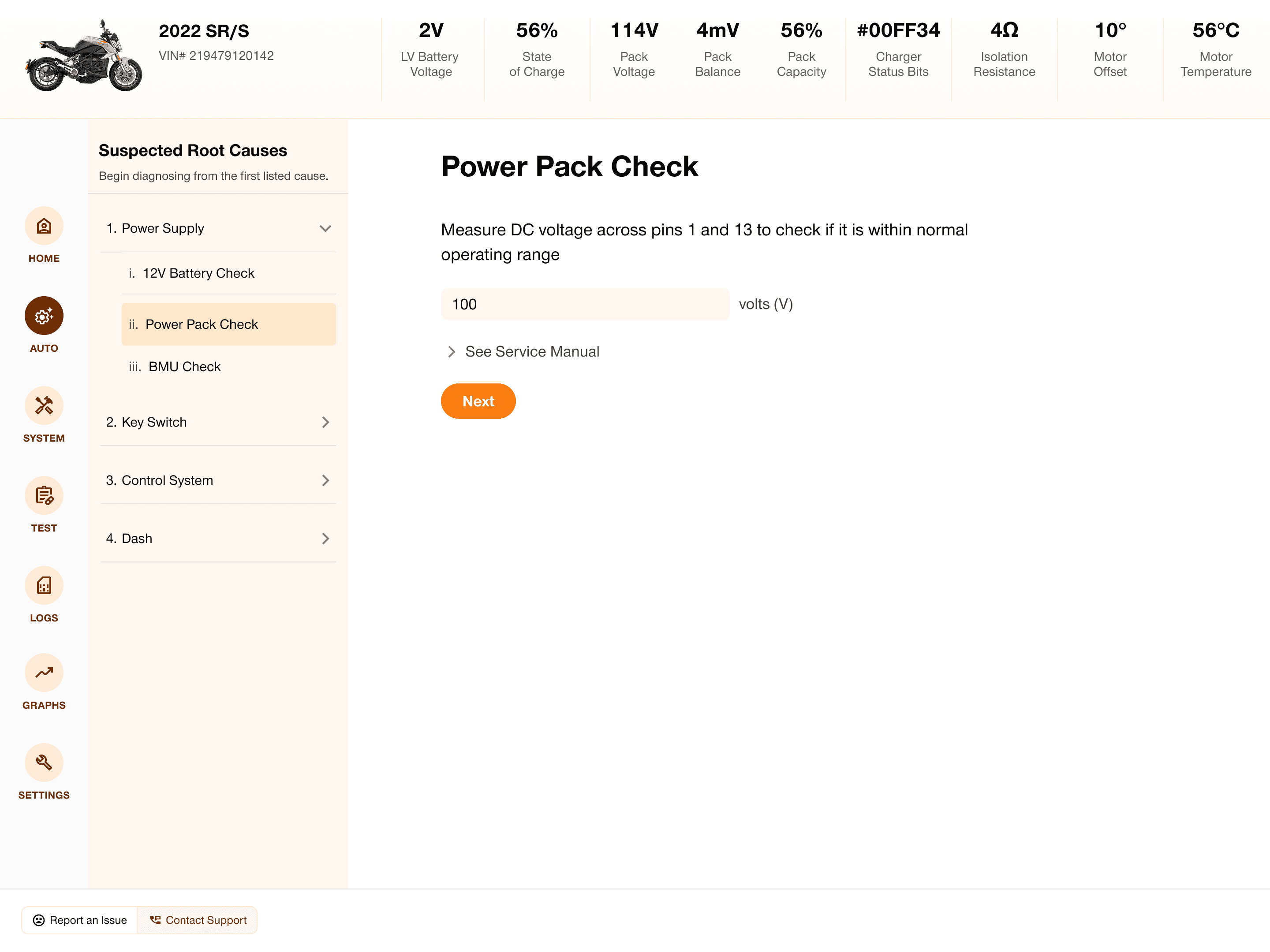
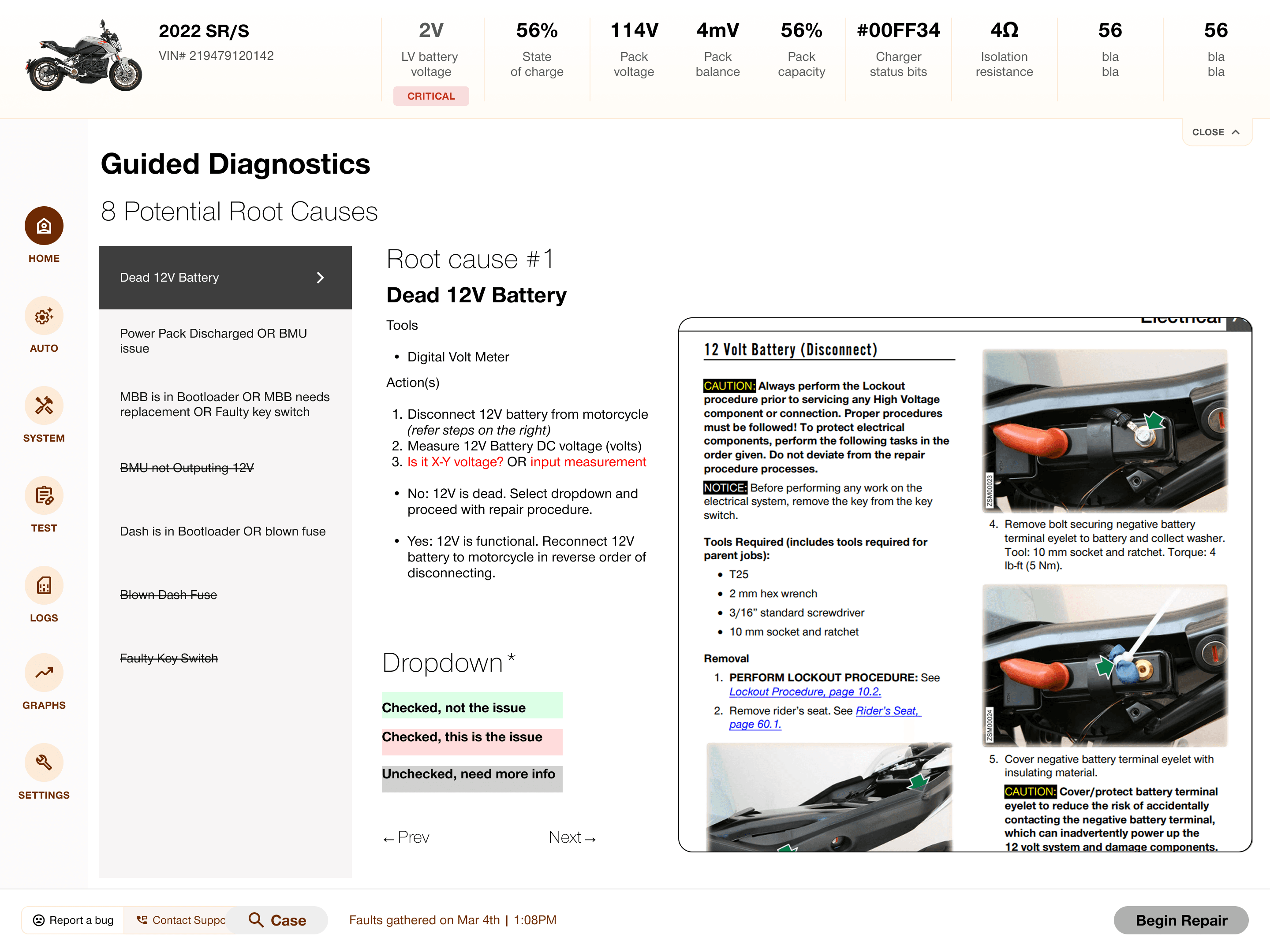
The legacy experience gave technicians access to diagnostic systems and data. Tuner was an opportunity to turn that information into a guided path from check to interpretation.
LEGACY DIAGNOSTIC EXPERIENCE
TUNER · GUIDED DIAGNOSTICS
02 / DISCOVERY
03 / FINDINGS
01
Technicians diagnose by acting, not reading
They preferred working through concrete steps and checking results over reading documentation before taking action.
02
EV diagnostics remove cues technicians usually trust
With fewer sensory cues such as engine noise or smell, technicians depended more heavily on digital readings — and felt less certain when those readings lacked context.
03
Access to information wasn’t the same as guidance
Raw values, unclear error states, and fragmented navigation made technicians spend time interpreting the tool before they could decide what to do next.
KEY INSIGHT
The tool gave technicians information.
They needed help making decisions.
That shifted my design goal from organizing diagnostic information to helping technicians know what to check, what a result meant, and what to do next.
04 / GUIDED DIAGNOSTICS
FOR TECHNICIANS
FOR ZERO
WHERE GUIDED DIAGNOSTICS FITS
05 / TESTING & ITERATION
EARLY DIRECTION
I translated Guided Diagnostics into an early “Bike does not key on” workflow to define the information architecture, navigation, and sequence of decisions. The first version established the overall structure, but it still assumed technicians could orient themselves and interpret several test results with limited guidance.
EARLY FLOW · 01
IMAGE — ADD IN FRAMER
View larger ↗
EARLY FLOW · 02
IMAGE — ADD IN FRAMER
View larger ↗
EARLY FLOW · 03
IMAGE — ADD IN FRAMER
View larger ↗
USABILITY TESTING · 5 TECHNICIANS
The overall Guided Diagnostics concept held up, but the sessions exposed where the workflow needed clearer orientation, stronger interpretation, and better information hierarchy.
TESTED PROTOTYPE · POWERPACK DISCHARGE
TESTED PROTOTYPE · BMU MALFUNCTION
06 / SCALING
One-off screens wouldn’t scale. The diagnostic logic had to.
REUSABLE DIAGNOSTIC LOGIC
Check and Analysis can repeat, with Analysis returning to Check when more evidence is needed before moving into repair and verification.
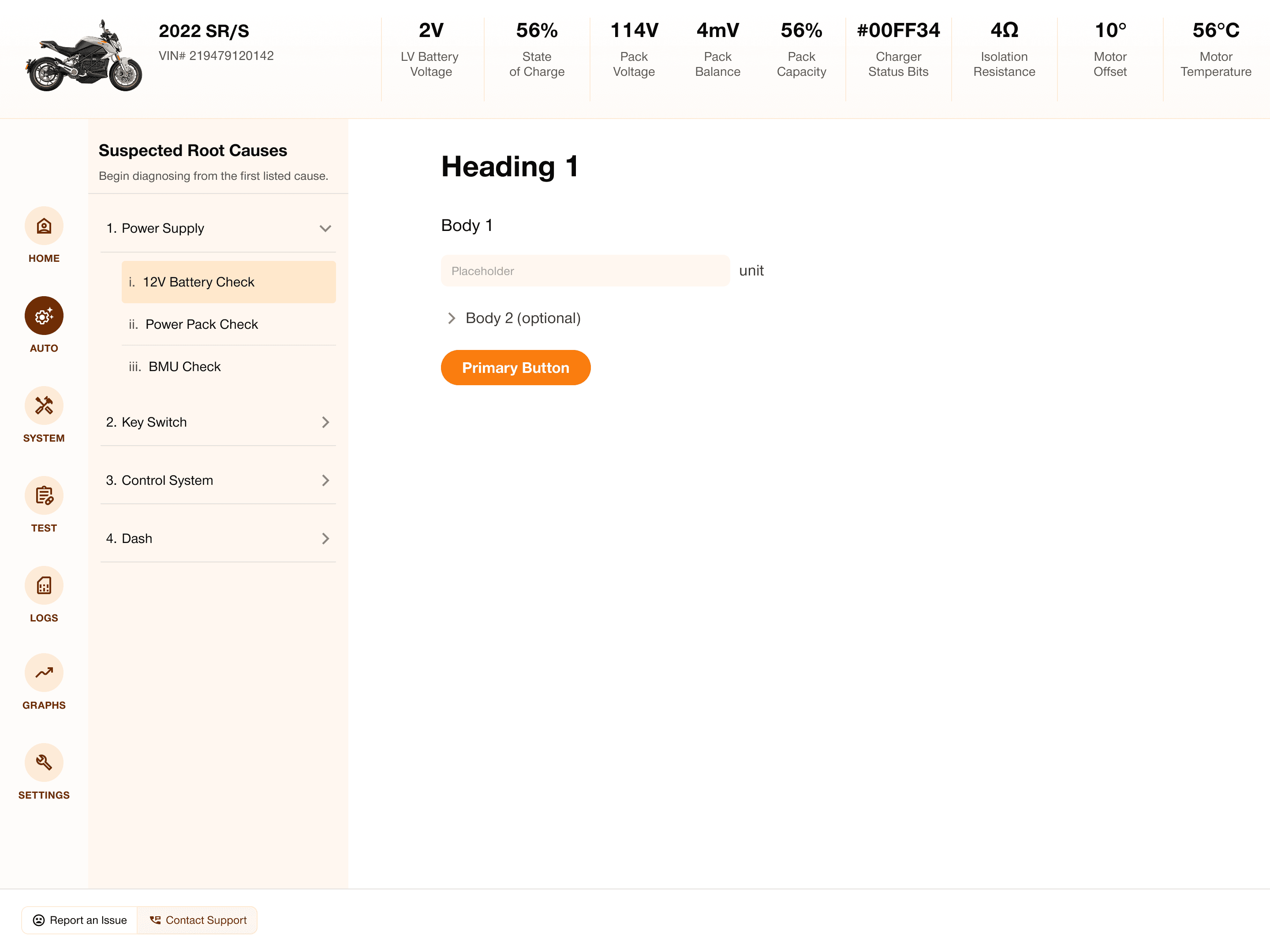
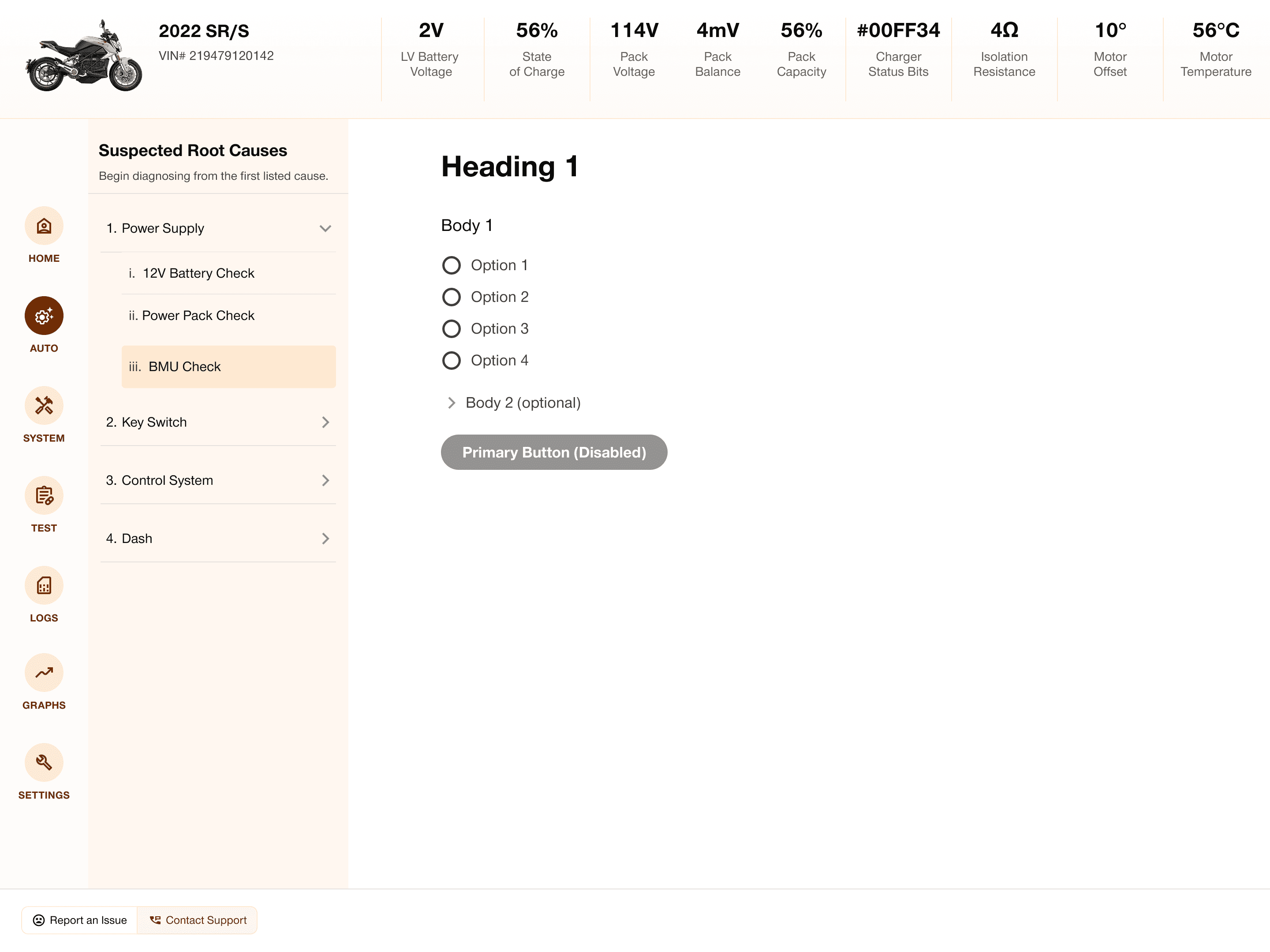
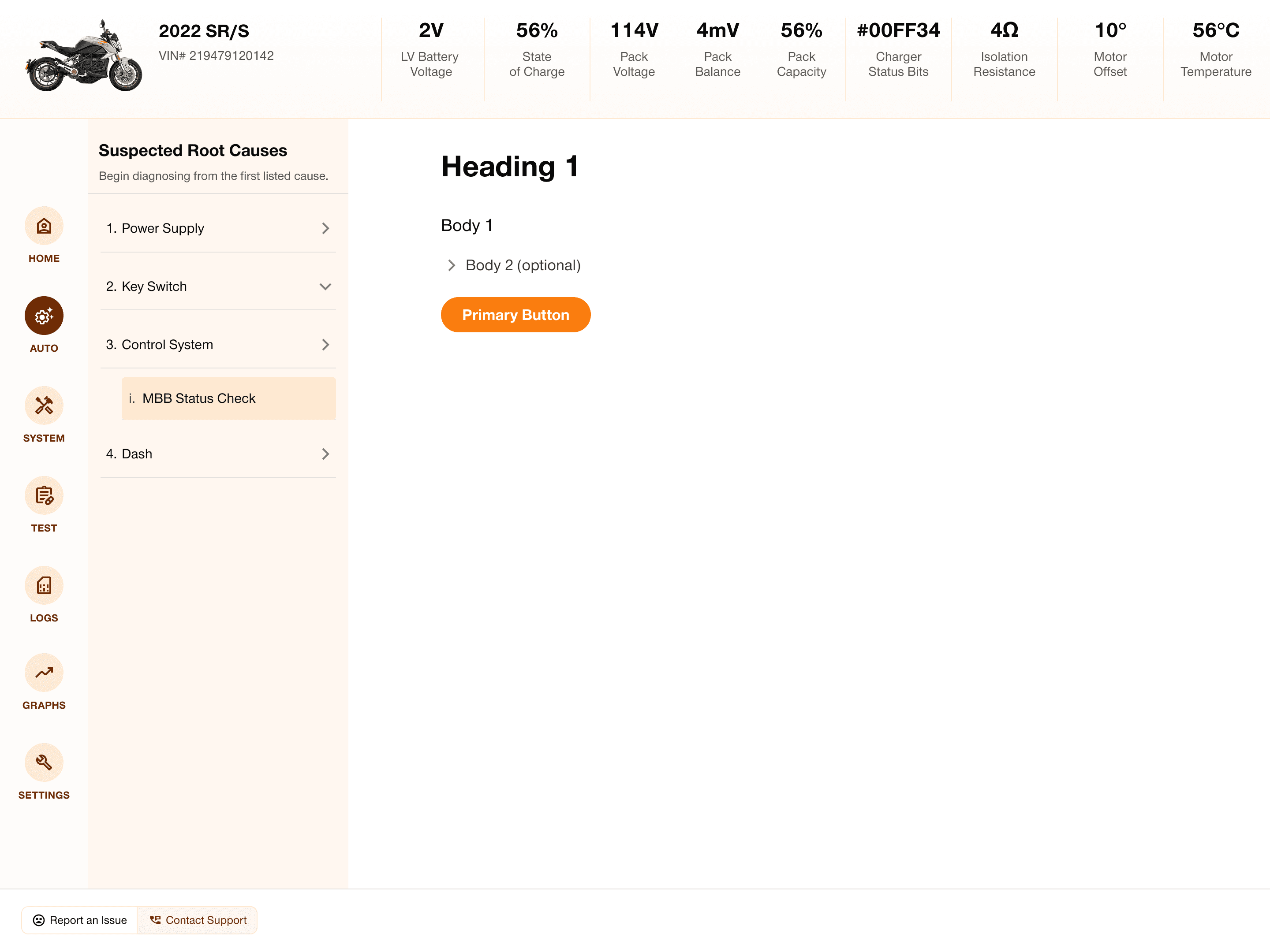
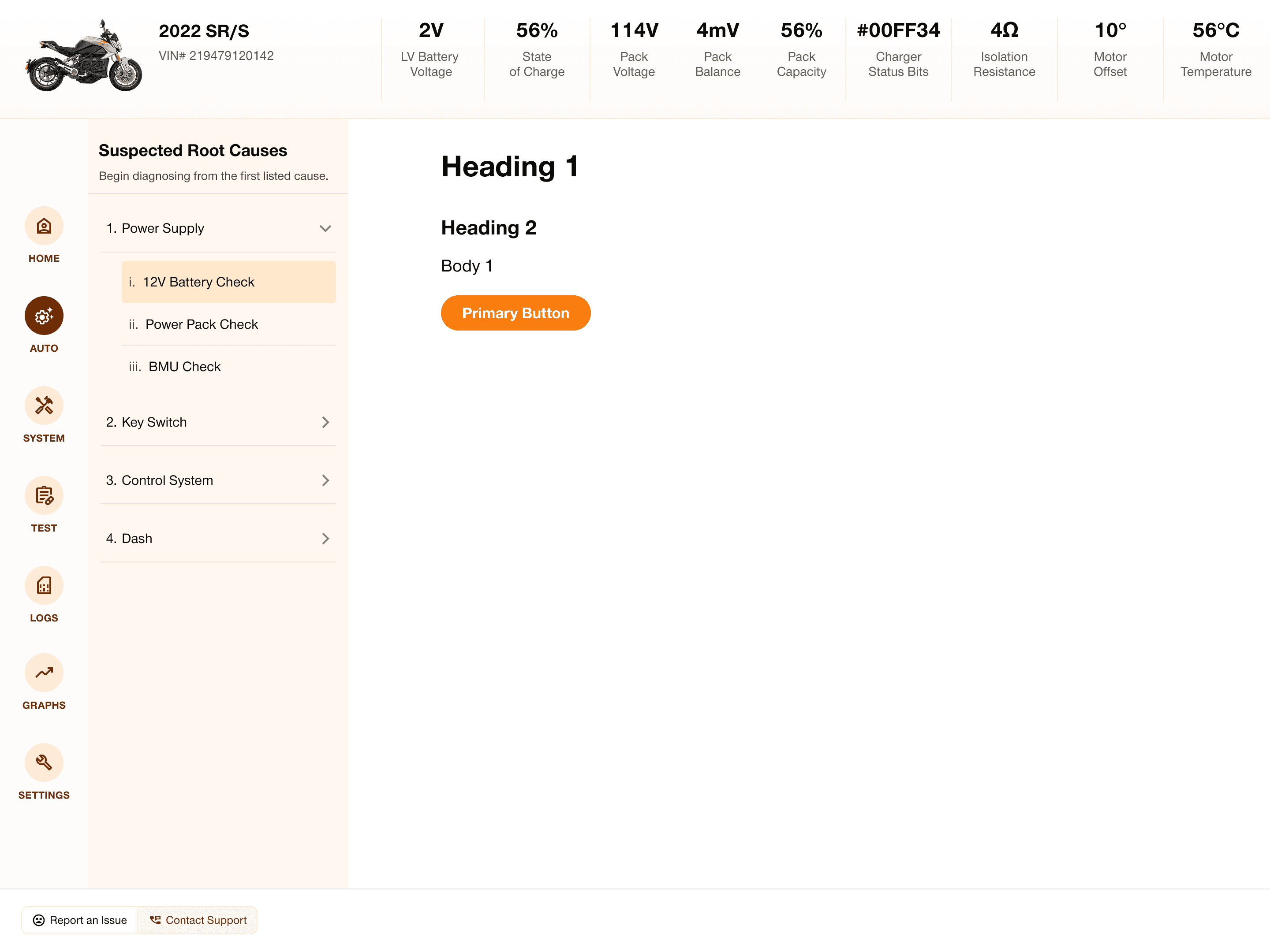
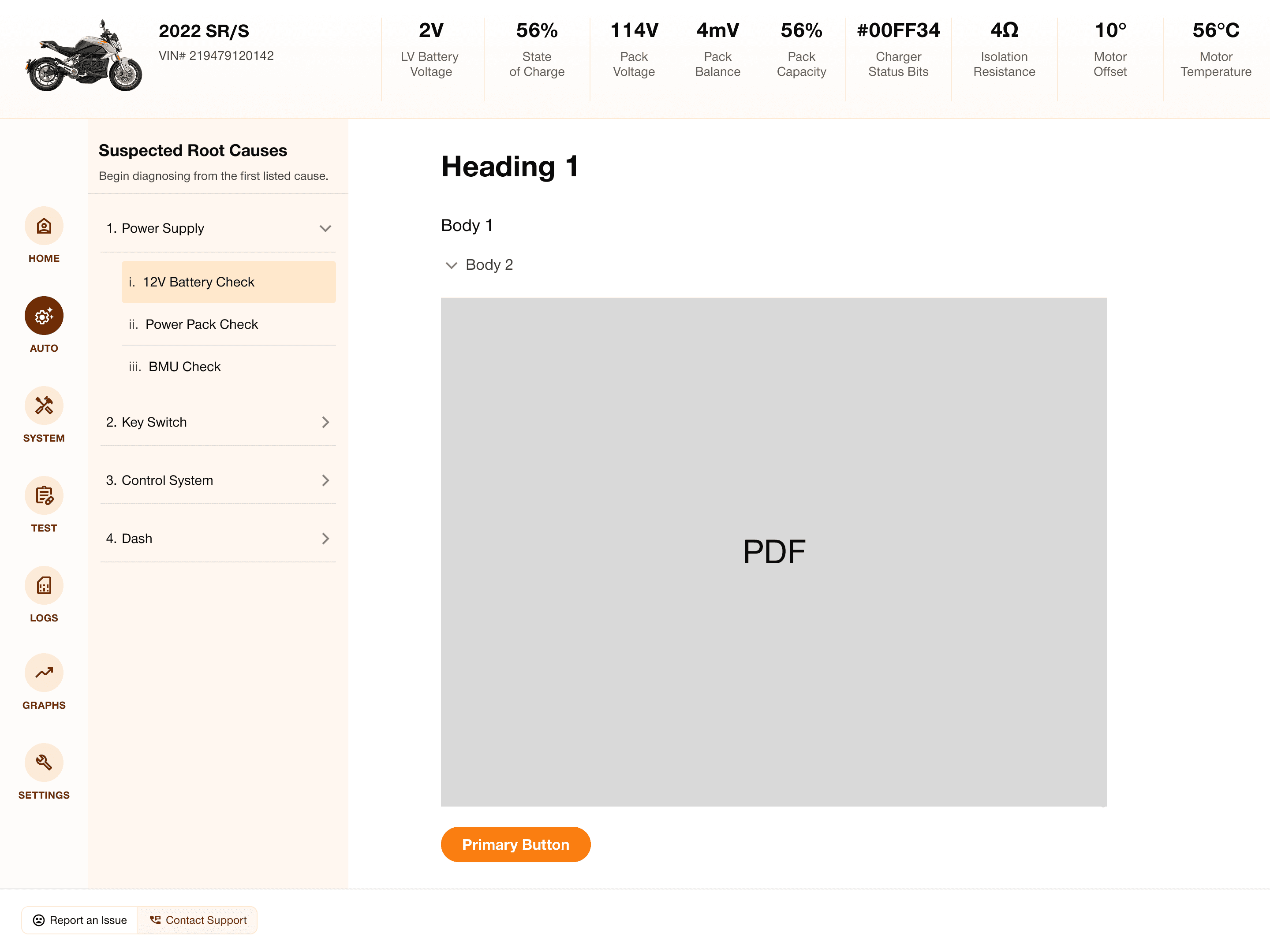
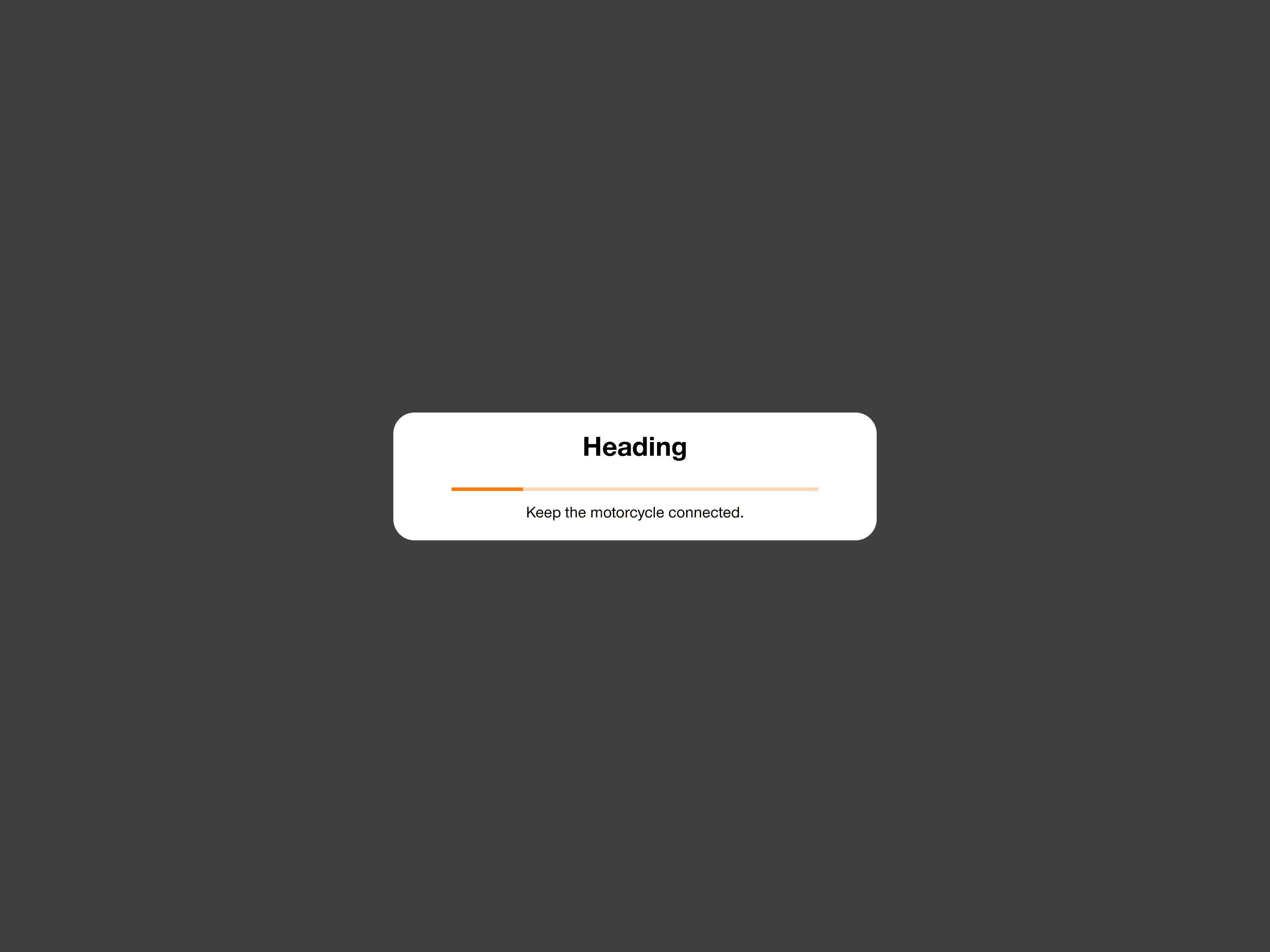
FROM STATES TO REUSABLE TEMPLATES
Each recurring state became a reusable screen structure that could be adapted across different diagnostic flows.
CHECK TEMPLATE 01
IMAGE — ADD IN FRAMER
View larger ↗
CHECK TEMPLATE 02
IMAGE — ADD IN FRAMER
View larger ↗
CHECK TEMPLATE 03
IMAGE — ADD IN FRAMER
View larger ↗
ANALYSIS TEMPLATE
IMAGE — ADD IN FRAMER
View larger ↗
REPAIR TEMPLATE
IMAGE — ADD IN FRAMER
View larger ↗
POP-UP / SUPPORTING PATTERN
IMAGE — ADD IN FRAMER
View larger ↗
SCALE
A reusable model supporting 500+ screens
The shared workflow model gave the team a repeatable structure for designing more than 500 Guided Diagnostics screens without treating every new flow as a one-off.
DESIGN FOUNDATION
Building the system alongside the product.
While Guided Diagnostics was growing, I helped organize and expand Tuner’s existing visual assets into a more reusable system of foundations, components, and interaction patterns. This gave design and engineering a shared structure for building new screens without recreating the interface each time.
Explore the Tuner Design System ↗
FOUNDATIONS
IMAGE — ADD IN FRAMER

View larger ↗
COMPONENTS
IMAGE — ADD IN FRAMER

View larger ↗
PATTERNS
IMAGE — ADD IN FRAMER

View larger ↗
07 / FINAL EXPERIENCE
The state model turned diagnosis into a sequence of focused moments.
Instead of asking one screen to handle the entire procedure, the final experience separates what the technician needs to do from how Tuner interprets the result and guides what happens next.
CHECK → ANALYSIS
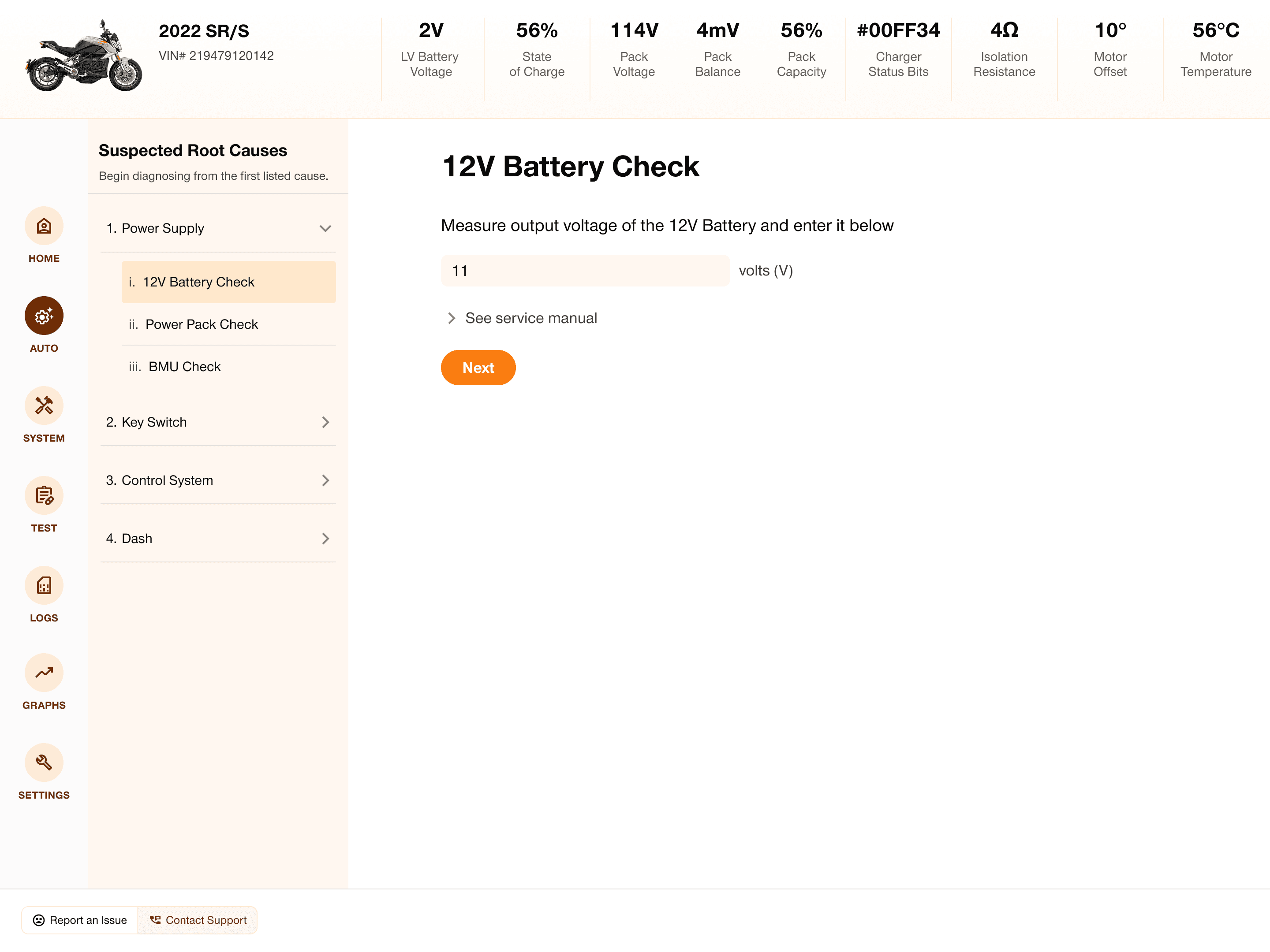
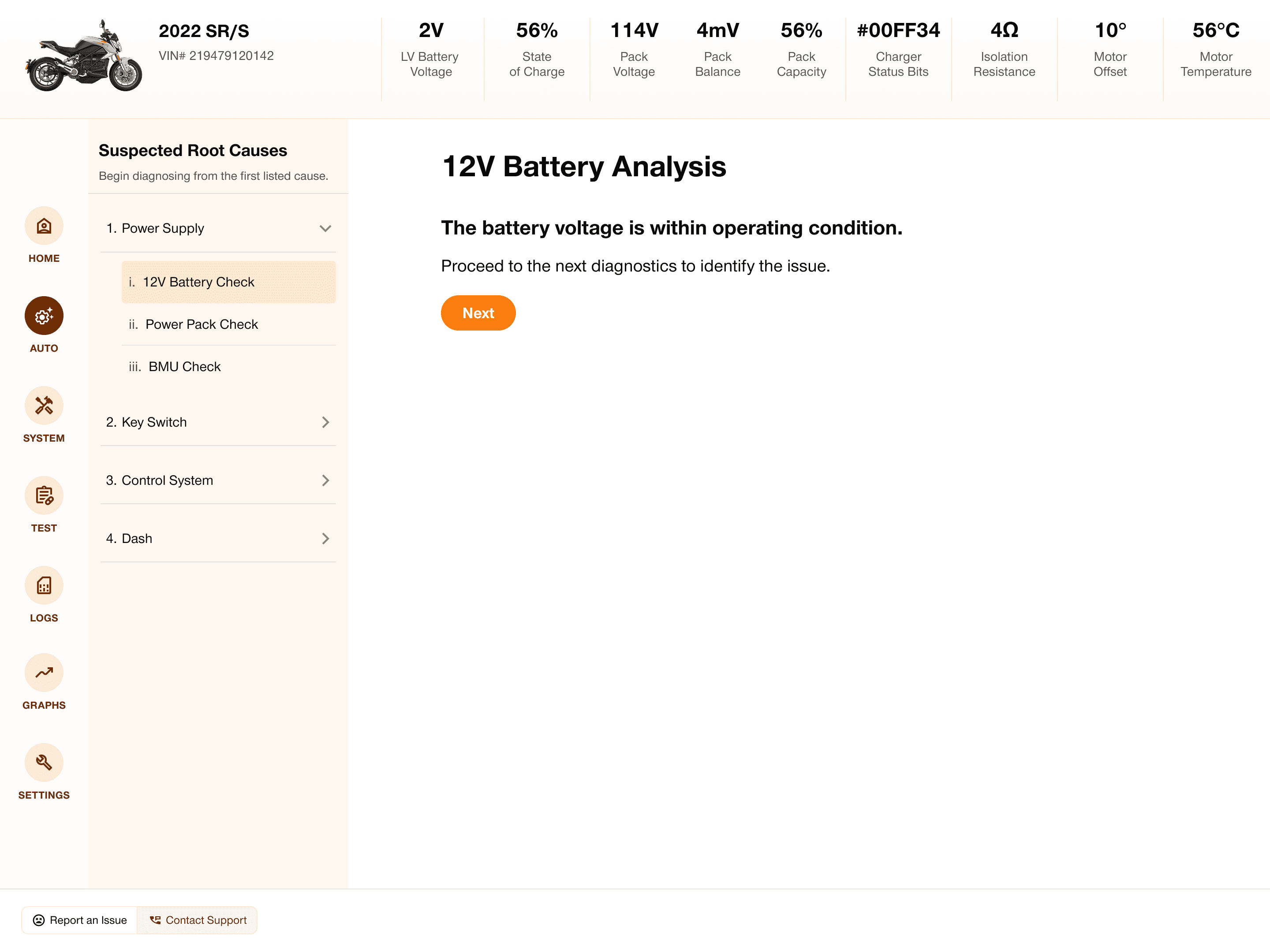
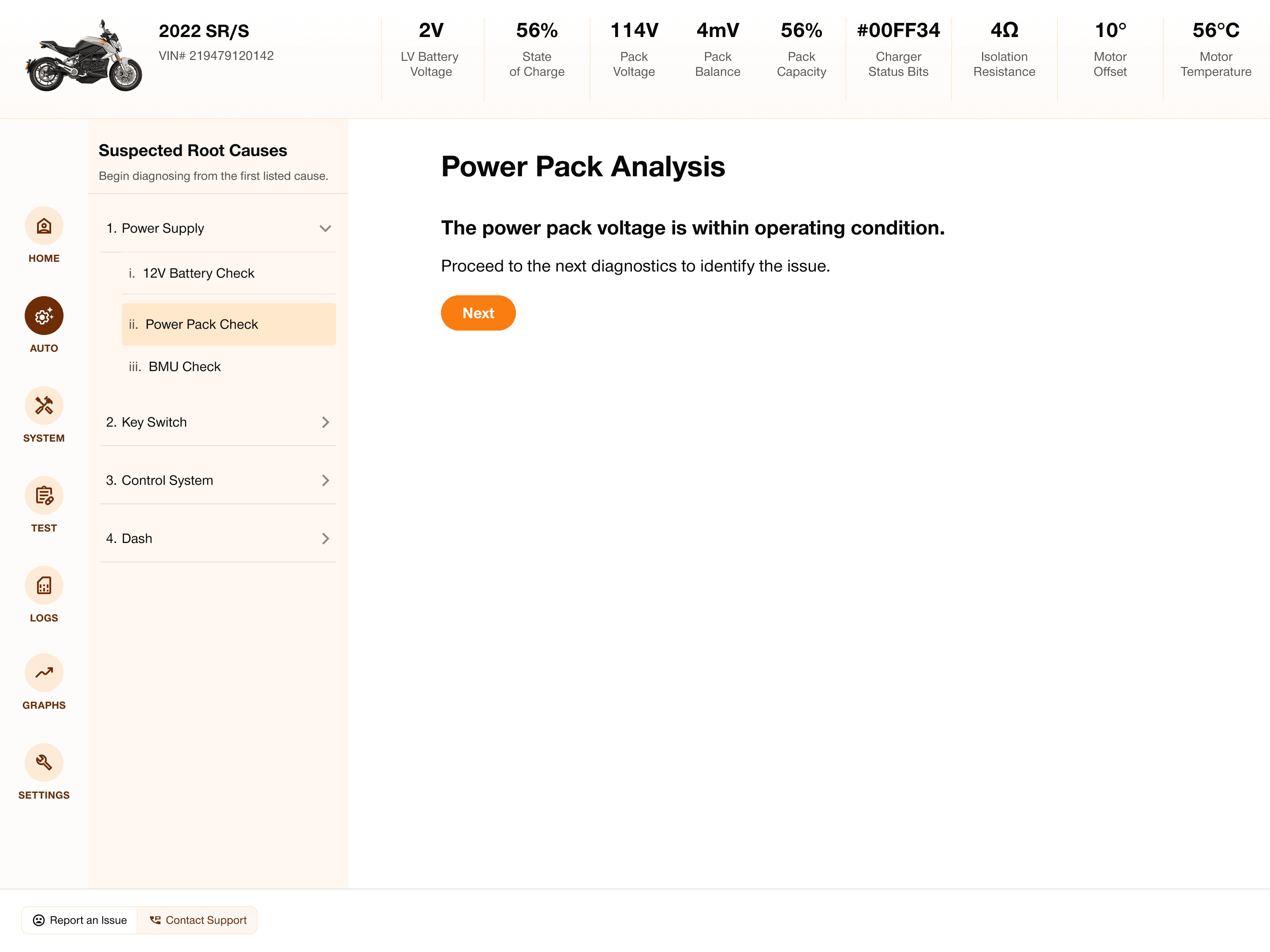
The technician provides the evidence. Tuner interprets what it means.
For deterministic checks, the technician enters or confirms the result, then Tuner evaluates it in a separate Analysis state instead of asking the technician to make the same judgment.
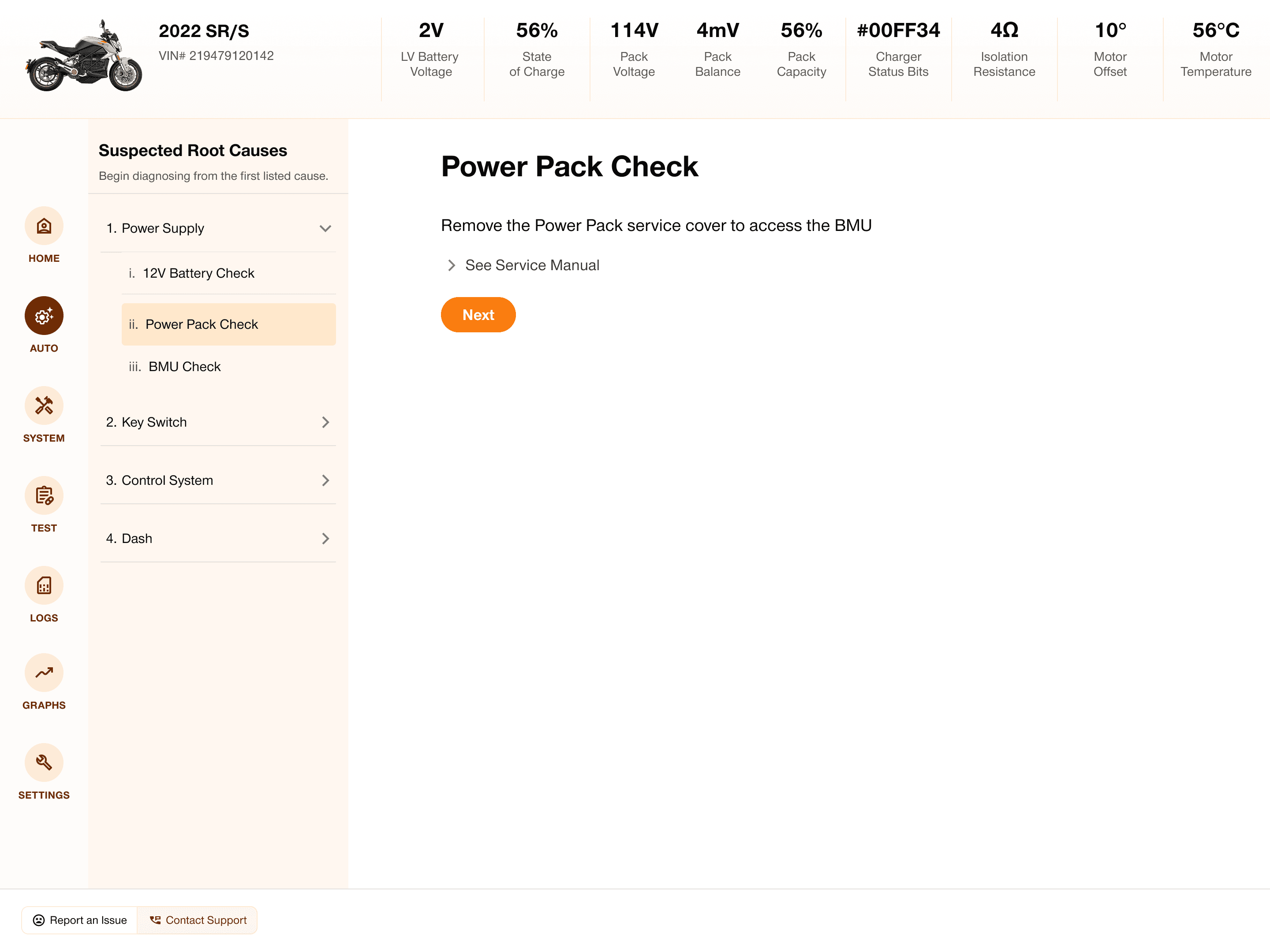
A MULTI-STEP ROOT CAUSE
Longer procedures became a series of focused checks.
For multi-step diagnoses, each action became its own Check state before the workflow moved into Analysis.
Verification reuses the same Check pattern, letting technicians confirm the repair without having to learn a new interaction.
08 / IMPACT
Now in pilot across 30 dealerships.
Preparing to scale to more than 250 dealerships worldwide.
MEASURED
27%
fewer support tickets
MODELED
2,100+
support hours potentially avoided over six months
≈$140K
estimated support cost avoided over six months
TAKEAWAY